For most climbers, the fun begins when their hands touch the first hold. But for route setters, the magic begins much earlier. Working behind the scenes, they turn artificial climbing walls into living puzzles – each one designed to test strength, creativity, and confidence. The route setting process is part art, part engineering, and part psychology. It’s a craft that blends movement design, safety, and imagination.
Having spent years around climbing gym routes, I’ve learned that every great climb tells a story. Each sequence is intentional – a dialogue between the setter and the climber. Let’s step behind the wall to see how this creative process unfolds.
From Vision to Wall: The Foundations of Route Setting
Understanding Climbing Wall Design
It all starts with the climbing wall design. The wall isn’t just a flat surface – it’s a landscape of movement. Its angles, curves, and textures dictate how routes will feel under the hands and feet. Overhangs challenge power, slabs reward balance, and vertical faces demand precision.
Route setters study the wall the same way a painter studies a canvas. They look for lines of motion, for spaces where dynamic leaps or delicate shifts can happen. In indoor climbing routes, every feature can become part of the story – even the negative spaces between holds.
Planning the Route
Once the wall has spoken, the climbing route planning begins. The setter defines the type of climb: is it endurance-based, bouldery, or focused on technique? They also decide on the target grade – which brings us to the route grading system, an important but sometimes misunderstood part of the job.
Grading helps climbers understand difficulty, but it’s not just about physical challenge. Good setters create routes that teach something – body positioning, rhythm, or creative problem-solving.
During this phase, a rough sketch often takes shape, outlining climbing holds placement, direction of movement, and key crux sequences. But like any art, things evolve once the setting begins.
The Route Setting Process: Balance Between Art and Engineering
Tools of the Trade
Route setting is physical work. The setter climbs ladders, drills into panels, and bolts holds into place. Each hold must be tightened to the right torque to ensure climbing wall safety – loose holds can be dangerous, while overtightened ones can crack.
Most setters begin with basic tools:
- An impact driver and wrench set for installing holds.
- A brush for chalk and dust.
- A handful of bolts, screws, and washers.
- And, most importantly, a sharp eye for movement.
The layout of climbing holds setup is where intuition meets geometry. Every angle, color, and texture can alter the flow of movement. Setters experiment – move a hold slightly higher, change its orientation – until the route feels natural yet challenging.
The Language of Movement
One of the most fascinating parts of route setter techniques is how they translate human motion into a wall design. Think of a climber’s body as a set of levers and pivot points. A good route flows – hands and feet move in rhythm, and each position naturally sets up the next.
Modern climbing route design emphasizes diversity. A bouldering route might test explosive power and coordination, while a lead climb demands endurance and control. The challenge for setters is to make something unique but fair – difficult enough to engage, not so random that it frustrates.
This is where climbing wall creativity truly shines. Many setters say their best routes come from “feeling the movement” rather than following a plan. Sometimes a single hold sparks an entire idea – a new crux or a move that no one’s tried before.
Testing and Fine-Tuning: Where Art Meets Precision
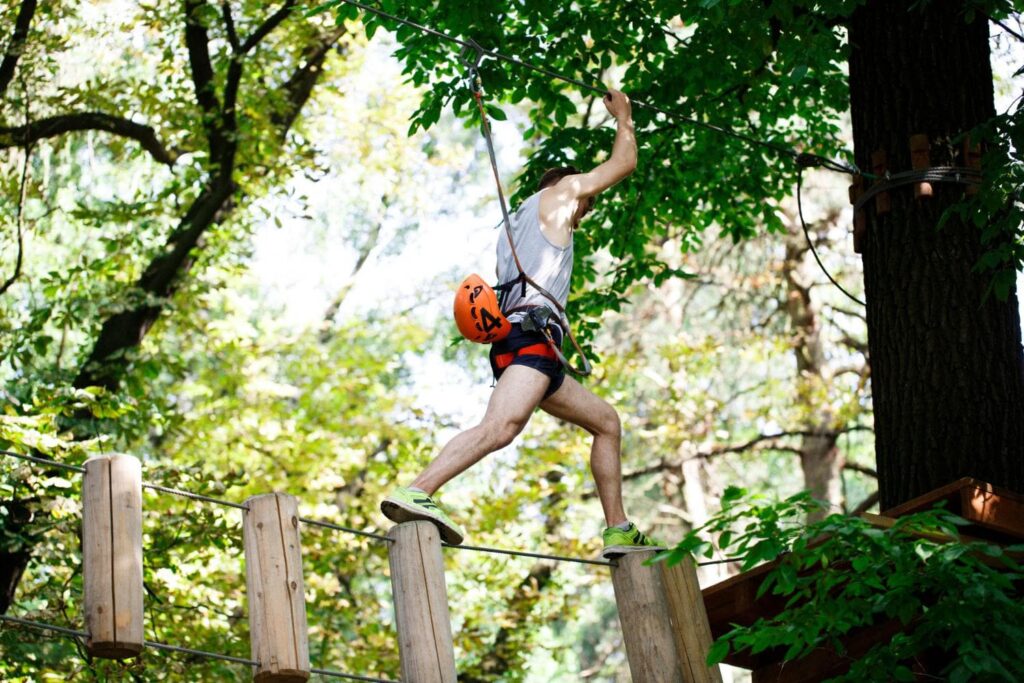
Once the holds are placed, it’s time to climb. Setters test their own routes, tweaking sequences until the moves flow naturally. This phase is where artistry meets athleticism. They analyze every transition, checking reach, balance, and comfort for different body types.
If something feels awkward, they’ll shift a hold by centimeters – those tiny changes can completely alter the dynamic of a move. The process can take hours, but the goal is perfection through movement.
Collaboration in Climbing Gym Routes
Setting is rarely a solo job. In climbing gym management, teams work together to ensure routes complement each other in style and grade. Collaboration keeps variety alive – one setter might prefer fluid, technical climbs, while another creates steep, powerful lines.
Feedback is essential. Other setters, coaches, and even regular climbers help test routes. Their insights can highlight blind spots, ensuring each climb is fair and enjoyable. This collaborative process is what keeps gyms vibrant and inclusive.
Bouldering vs Lead Routes: Same Craft, Different Canvas
Bouldering and lead climbing may share the same roots, but they demand different creative approaches.
Building Bouldering Routes
Bouldering routes (or “problems”) are short, intense, and full of personality. In bouldering wall setup, setters focus on explosive movement, balance, and body tension. Each problem tells a compact story – 5 to 8 moves that define a single challenge.
Setters often use larger volumes and textured shapes to guide the climber’s rhythm. Because the routes are lower and without ropes, safety depends on padding and good gym climbing maintenance.
Designing Lead Routes
For rope routes, the storytelling becomes longer. Endurance, pacing, and flow take center stage. Here, climbing route planning involves understanding fatigue – knowing where climbers can rest, where to place the crux, and how to balance difficulty over 20 or more moves.
Lead climbs are tested with different climbers of varying heights and strengths to ensure fairness – a process rooted in the tradition of outdoor rock climbing techniques adapted indoors.
Safety and Maintenance: The Invisible Backbone
No matter how creative or beautiful a route is, none of it matters without climbing wall safety. Each gym follows strict procedures to check holds, bolts, and anchors. Maintenance teams work daily to tighten hardware, clean holds, and manage indoor climbing training schedules.
Routine Maintenance Essentials
Here’s what regular safety checks look like in a professional gym:
- Inspecting holds and volumes for cracks or wear.
- Replacing stripped or rusted bolts.
- Ensuring mats and crash pads are in good condition.
- Rotating routes to keep variety and manage surface fatigue.
- Keeping routes clean from chalk buildup through climbing gym maintenance.
Good safety doesn’t just prevent accidents – it preserves the integrity of the art. A well-maintained wall allows setters to keep pushing creative boundaries without compromising trust.
The Soul of Route Setting: Creativity with Purpose
At its heart, route setting is storytelling. Each route – whether a short boulder or a long endurance line – is a message from the setter to the climber: “Here’s a challenge. Can you read it?”
Setters often talk about watching climbers interpret their work. It’s a feedback loop unlike any other. When a climber discovers a new sequence or solves a problem differently than intended, it’s not a failure – it’s a dialogue.
The Joy of Seeing It Come to Life
For many setters, the best reward is watching someone fall in love with a climb they created. The laughter, frustration, and triumph of others become part of the route’s legacy.
And when the time comes to strip it down and build something new, the cycle repeats. Walls are cleared, holds are washed, and imagination takes over again.
This is the eternal rhythm of route setting – creation, challenge, and renewal. It’s craftsmanship built not to last forever, but to inspire motion and emotion for as long as it stands.