When you spend enough time on the wall – whether in a gym or on real rock, you realize one thing: climbing is as much about awareness as it is about strength. The sport looks wild and free from the outside, but behind every controlled move there’s a deep respect for climbing safety. It’s not just about avoiding injury; it’s about building habits that make every ascent smoother, calmer, and more enjoyable.
Having worked with hundreds of climbers over the years, I’ve seen nearly every mistake imaginable – from forgetting a harness check to skipping rope inspection or ignoring climbing wall safety rules. Most accidents don’t happen because of bad luck; they happen because someone assumed they already knew enough.
So let’s go through what really matters, not in a dry, textbook way, but from the perspective of someone who’s been there, who’s caught falls, patched ropes, and seen what happens when safety becomes second nature.
The Fundamentals of Safe Climbing
Awareness Before Strength
The biggest misconception among beginners is that climbing safety starts once you’re on the wall. In truth, it starts the moment you walk into the gym or arrive at the crag. Good climbers check everything – not because they’re paranoid, but because experience has taught them how small errors snowball into big problems.
If you’re new to the sport, start with beginner climbing tips that focus on mindfulness: double-check your knots, communicate clearly with your partner, and respect the systems that keep you alive. These aren’t optional rituals – they’re part of the climb itself.
The Golden Rule of Gear
I can’t emphasize this enough: your gear is your life. Every carabiner, rope, and harness plays a role. Understanding climbing gear safety means knowing how and when to inspect it. Frayed rope? Replace it. Stiff belay device spring? Retire it. And never, ever climb with a harness that’s past its prime.
Here’s a quick mental checklist I run through every time before a climb:
- Inspect the rope for soft spots, cuts, or fuzzed fibers.
- Check your harness for wear around the tie-in points.
- Verify that every carabiner gate snaps cleanly.
- Keep your helmet clean, crack-free, and snug.
That’s your pre-flight check. Skip it once, and you’ll remember why forever.
Interestingly, the attention to detail required here reminds me of reviewing online platforms – where safety and transparency are everything. Take the gambling industry, for instance. On portals like https://playfortune.net.br/cassinos/novos/, users rely on expert reviews and security checks before choosing where to play. In climbing, the same mindset applies: verify before you commit. Whether you’re clipping a bolt or clicking a “Join” button, awareness is your best defense.
The Partner System
No matter how skilled you are, climbing alone is never truly safe. Good climbers rely on climbing partner communication, a rhythm built through trust and routine. The standard commands (“On belay?” “Climbing.” “Take.”) may sound repetitive, but they save lives.
Poor communication remains one of the most frequent rock climbing mistakes in both gyms and outdoor settings. Misheard words, distractions, or even overconfidence can lead to accidents. Make eye contact. Repeat commands if needed. And if something feels off – stop and reset.
Common Climbing Mistakes and How to Avoid Them
Every climber makes errors. The goal isn’t perfection, but awareness. Below are some of the most common climbing errors I’ve witnessed and how to avoid them before they turn into real problems.
1. Skipping the Safety Check
It sounds obvious, yet it’s the number one cause of accidents in gyms. Every time you tie in, perform a harness check and a rope inspection. Make sure the knot is properly dressed, carabiners are locked, and your belay device is threaded correctly. In indoor climbing safety, complacency is often the biggest threat – routine should never replace vigilance.
2. Poor Belaying Technique
Mastering belaying techniques isn’t glamorous, but it’s fundamental. Belaying is the art of trust – it requires precision, focus, and steady hands. A distracted belayer is a danger to both partners. Keep your brake hand on the rope at all times, and avoid chatting mid-climb.
In lead climbing, maintaining the right amount of slack is crucial for lead climbing safety. Too little and you’ll short-rope your partner; too much and you risk a ground fall.
3. Falling the Wrong Way
You will fall. Everyone does. The trick is learning how to avoid climbing accidents by falling correctly. In bouldering safety, this means keeping arms tucked in, landing on your feet, and rolling to distribute impact. In rope climbing, don’t grab the rope mid-fall – it can burn your hands or twist you off balance.
Practicing falling safely in climbing might sound strange, but controlled falls build confidence. When you know you can fall safely, you climb smarter.
4. Ignoring Gym Etiquette
Climbing gyms have their own rhythm – unspoken rules that protect everyone. Respect climbing gym etiquette:
- Don’t walk under someone who’s climbing.
- Keep chalk dust minimal and clean up your spills.
- Share walls and routes politely.
- Return borrowed gear and mats to their place.
It’s basic respect, but it keeps the environment positive and safe.
Beyond the Basics: Mastering Safe Movement
Technique Over Power
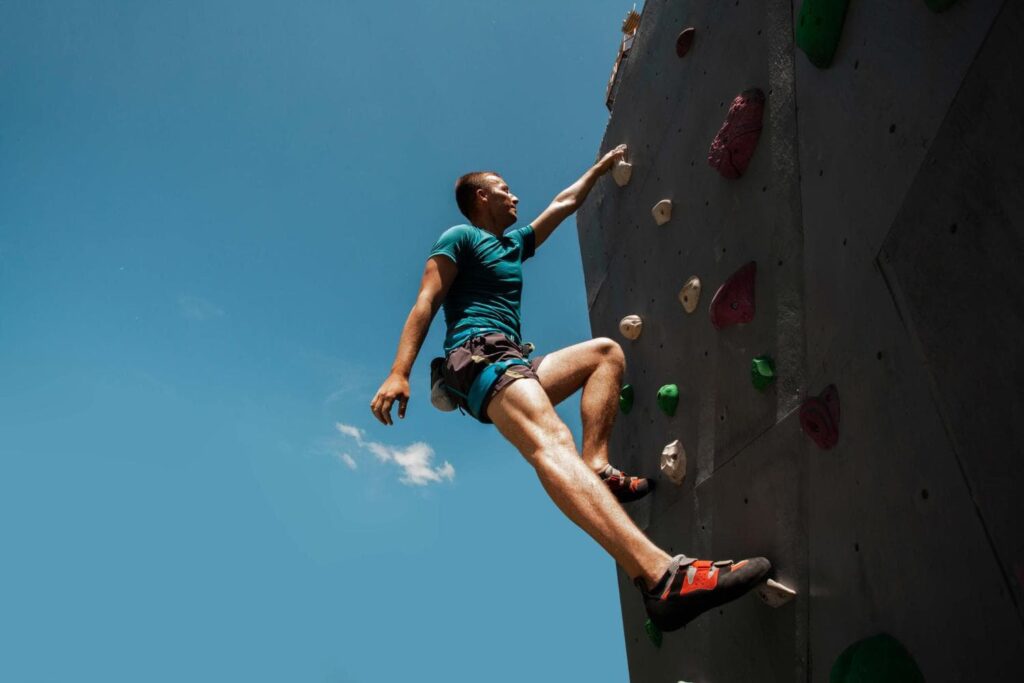
Safety isn’t only about gear – it’s about movement. Many accidents stem from fatigue or poor body positioning rather than equipment failure. Learning proper climbing techniques will save you both effort and skin.
When you climb efficiently, you move with intention. Keep your center of gravity close to the wall, use your legs more than your arms, and rest before you’re exhausted. The better your technique, the less you’ll rely on risky improvisation.
Here’s a short list of movement-based safety habits to develop:
- Plan your sequence before starting.
- Rest on straight arms instead of bent elbows.
- Use footholds creatively; they’re your strongest ally.
- Avoid dynamic moves when you’re tired – fatigue makes mistakes more likely.
These skills build a long-term foundation for climbing accident prevention – especially when transitioning from gym routes to outdoor climbs.
The Helmet and the Mindset
I’ve heard climbers joke that helmets are only for beginners. That’s nonsense. Climbing helmet use isn’t optional – it’s practical. Even in gyms, small objects or holds can fall unexpectedly. Outdoors, loose rock is an unpredictable hazard.
But beyond helmets, mindset matters. Complacency is the enemy of safety. The best climbers treat every climb as a fresh experience – even on routes they’ve done a hundred times. That mental reset keeps reflexes sharp.
Routine and Maintenance
Climbing gyms invest heavily in safety checks for climbers, but personal accountability remains essential. Regularly review your setup, and don’t be afraid to ask questions. I’ve been climbing for years, and I still consult others when I’m uncertain about a setup or anchor system.
Good safety habits become automatic. You’ll reach a point where clipping, checking, and belaying correctly feel as natural as breathing. That’s when you know you’ve truly learned the craft.
Building a Culture of Safety
The best part about climbing is its community – a blend of trust, courage, and camaraderie. A safe environment grows when everyone participates. In indoor climbing safety, this means being proactive: reminding partners about knots, spotting correctly, or calling out loose holds. Outdoors, it means respecting local rules, leaving no trace, and sharing beta without arrogance.
Teaching the Next Generation
New climbers are joining the sport every day, drawn by the excitement of bouldering gyms and the accessibility of urban climbing spaces. As experienced climbers, we have a responsibility to pass down safe practices. Teach how to avoid climbing accidents not through lectures but through example. When others see you double-checking gear, communicating clearly, and staying humble, they’ll follow suit.
Progress Through Patience
Climbing teaches patience better than anything else. Rushing progress leads to burnout and injury. Whether you’re learning bouldering safety indoors or refining lead climbing safety outdoors, take time to learn each system properly. The slow path builds real skill, and keeps you around long enough to enjoy it.
In the end, safety isn’t a set of rules, it’s a mindset of respect: for the wall, for your partner, and for yourself. When you internalize that, you stop just climbing – you start mastering the art of staying alive while doing what you love.